
If you’re googling how to find SEO clients, you probably know the feeling: another late night staring at a quiet inbox, the hum of your laptop like a fridge in an empty kitchen, wondering which lever to pull next. You’ve done the posts, the cold emails, the “networking” that felt like speed dating with business cards. Still, leads trickle. Here’s the good news. You don’t need a massive budget or big-agency swagger to grow. You need a clear offer, visible proof, and a tidy system that shows prospects you solve the problems that cost them money. Counterintuitive? A little. Most people chase reach: you’ll chase fit and evidence. And if you’d like help aligning research, content, and competitor insight without juggling six tools, you can use a simple hub like tpateam.co.uk/mymarketr.io/ to shortcut the grind. Let’s get you a pipeline that compounds.
Key Takeaways
- To find SEO clients faster, define a tight ICP, niche down, and tie your offer to measurable commercial outcomes.
- Package your services into clear, priced tiers with explicit deliverables, outcomes, and review points to remove hesitation.
- Publish authority content and short, numeric case studies, and rank for buyer-intent pages to attract inbound demand.
- Use signal-based prospecting and personalised outreach—short audits and 3–5 minute Looms—to spark useful conversations and book calls.
- If you’re asking how to find SEO clients today, prioritise warm paths: referrals with a punchy pack and partnerships with complementary agencies.
- Convert interest with rigorous discovery, treatment-plan proposals, realistic forecasts, and by walking away from red flags.
Define Your Ideal Client And Offer
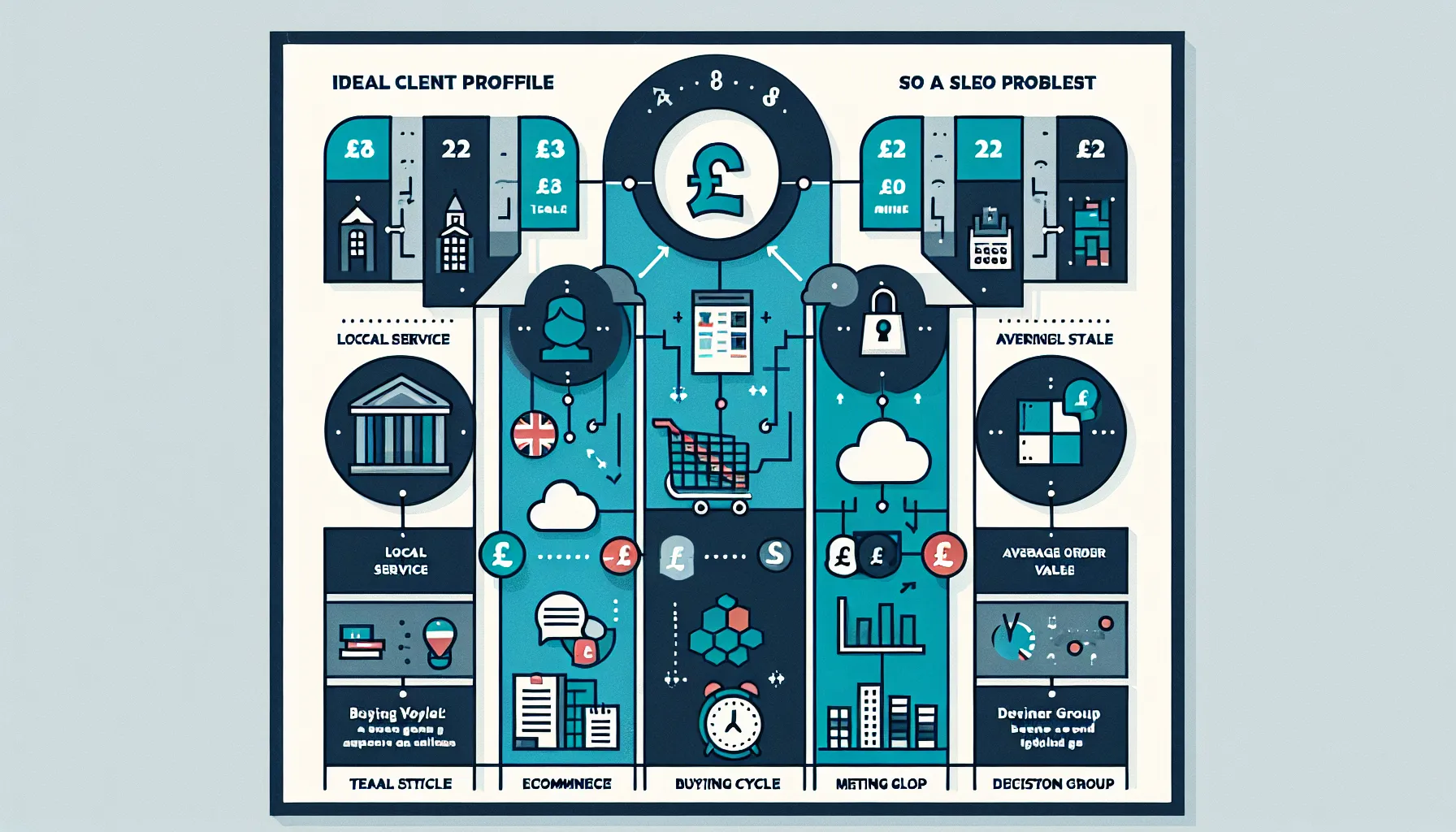
You win faster when you know exactly who you help and why it matters in pounds and pence. Start with an ideal customer profile (ICP): industry, size, geography, tech stack, average order value, buying cycle, and the decision group. Then tie your offer to a commercial outcome. You’re not selling “SEO.” You’re fixing slow lead flow, stagnant revenue, high CPA, or poor visibility for high-intent terms.
Niches And Problems You Solve
Pick a lane. Local service firms needing phone calls. eCommerce brands squeezing margin. B2B SaaS chasing qualified demos. Each niche has distinct search patterns, seasonality, and decision triggers. Speak to those details. Example: “We help independent clinics rank for treatment + city terms and turn them into booked appointments within 90 days.” It’s specific, testable, and believable. Don’t try to be everywhere: be unmistakable somewhere.
Map the problem stack:
- Visibility: no page-one presence for purchase-intent queries.
- Conversion: traffic lands, doesn’t call or add to basket.
- Measurement: no baseline, so no accountability.
Tie each issue to your method: research, technical fixes, content, internal links, and a reporting cadence that shows lift.
Packaging And Pricing For Clarity
Buyers hesitate when scope is foggy. Offer two or three clear packages with value-first deliverables:
- Foundation: technical audit, quick wins, tracking fix, content plan.
- Growth: topic clusters, link earning, CRO tests, monthly sprints.
- Performance: revenue-backed forecasts, multi-market expansion.
Add ballpark fees and result ranges. Simplicity sells. If you price monthly, attach outcomes and review points. If you price by sprint, show start-to-finish activities and sign-off gates. Transparency is a conversion tool.
Build Credibility That Attracts Inbound Leads

You create demand by teaching buyers something useful about their own numbers. Authority isn’t loud: it’s consistent, practical, and specific. Publish content that dissects real searches, shows before/after benchmarks, and explains trade-offs. Use a cadence you can keep,twice a month beats a weekly flurry that fizzles.
Case Studies And Social Proof
Case studies do the heavy lifting when you’re not in the room. Keep them short, numeric, and business-first:
- Situation: declining organic sales for a D2C brand.
- Intervention: fixed crawl issues, built three product-led hubs, earned eight relevant links.
- Outcome: +63% non-brand clicks, +32% revenue in 120 days.
Layer in testimonials, G2/Google reviews, and named client logos (with permission). Screenshots of analytics and search console trends help too. If you’re early, run a discounted pilot for one ideal client in exchange for a fully transparent case study.
Authority Content And SEO For Yourself
Rank for your own buyers’ searches. Pages like “SEO for eCommerce brands UK,” “local SEO for accountants,” or your city + service can bring sales-qualified leads. Publish comparison posts (SEO vs PPC for [your niche]), teardown articles, and ROI explainers. Make it skimmable with subheads, diagrams, and examples. And yes, set up tracking properly,Search Console is free and essential. If you’ve not connected it, start here: Google Search Console Help.
Leverage Your Network And Partnerships

Warm paths convert best. Your future clients already trust people you know,accountants, designers, developers, brand consultants, local chambers. Turn that trust into introductions by being ridiculously easy to refer.
Referrals And Past Clients
Make a small, punchy referral pack: who you help, the problems you fix, two proof points, and an intro email template people can forward. Follow up with gentle specificity: “If you know a founder running paid ads with poor organic coverage, I can provide a free mini-audit.” Keep a quarterly rhythm with previous clients. Share a one-page update on what’s changed in search for their niche and invite questions. Referrals love context.
Partner With Complementary Agencies
Web design, Shopify builds, HubSpot setups, PR, and PPC shops often need reliable SEO support. Offer a white-label or co-branded model. Bring a playbook, shared Slack, and clear lines of responsibility. Give first: a mutual client audit or content brief shows competence faster than a credentials deck. When comparing tools in the partnership, lead with your operating system,your process,not just your stack.
Outbound Prospecting That Gets Replies
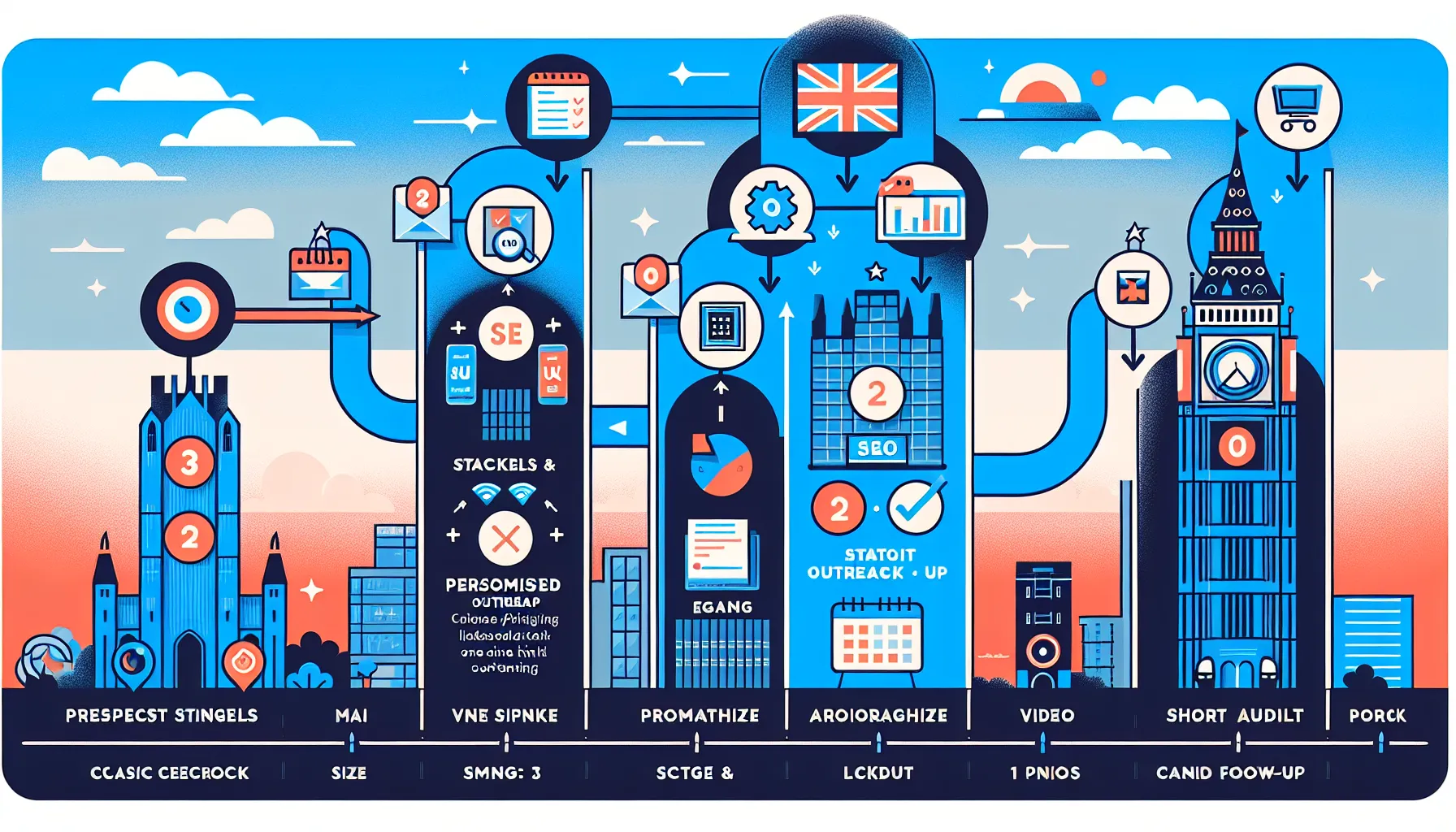
Outbound still works when it feels tailored and useful. Think less spam, more doctor’s note.
Prospect Lists And Buying Triggers
Build lists around signals, not randomness: recent funding, aggressive hiring for marketing roles, new site launches, heavy ad spend with weak organic, or seasonal peaks approaching. In the UK, you can spot triggers from press mentions, LinkedIn updates, and filings. For corporate changes, a quick sense check via Companies House helps confirm size and status. Keep your list tight,20 solid prospects beat 2000 vague ones.
Personalised Cold Email And LinkedIn
Write like a human. Subject lines should say what’s inside. Open with a clear observation: “You’re ranking #9–#12 for three high-intent terms: each could drive 80–120 visits a month.” Add one relevant result from a similar company. Propose a small next step, not a marriage: “If you want, I’ll share a two-page plan.” Two paragraphs. One question. Soft call to action.
Short Audits And Loom Videos
A 3–5 minute Loom reviewing their site, search intent gaps, and quick wins can lift reply rates dramatically. Keep it specific: show the SERP, explain the opportunity, and outline the first three actions you’d take. Drop a one-page PDF alongside it so there’s something they can forward internally.
Be Visible Where Buyers Already Look

When buyers go shopping, be on the shelf. Don’t overcomplicate: place your offer where intent pools gather.
Directories And Marketplaces
List your services on credible places your niche actually checks. For local work, curate reviews on Google Business Profile. For B2B, use selective directories rather than spraying everywhere. Keep listings sharp: niche, offer, outcomes, pricing bands, and one killer case study. Refresh quarterly.
Niche Communities And Events
Go where conversations are live: industry forums, Slack groups, LinkedIn groups, and regional meetups. Offer to run a mini workshop,”How to turn three pages into a revenue-generating cluster in 30 minutes.” Bring examples and leave slides behind. Consistency beats charisma. People remember the person who showed up with useful specifics, not slogans.
Convert Interest Into Paying Clients
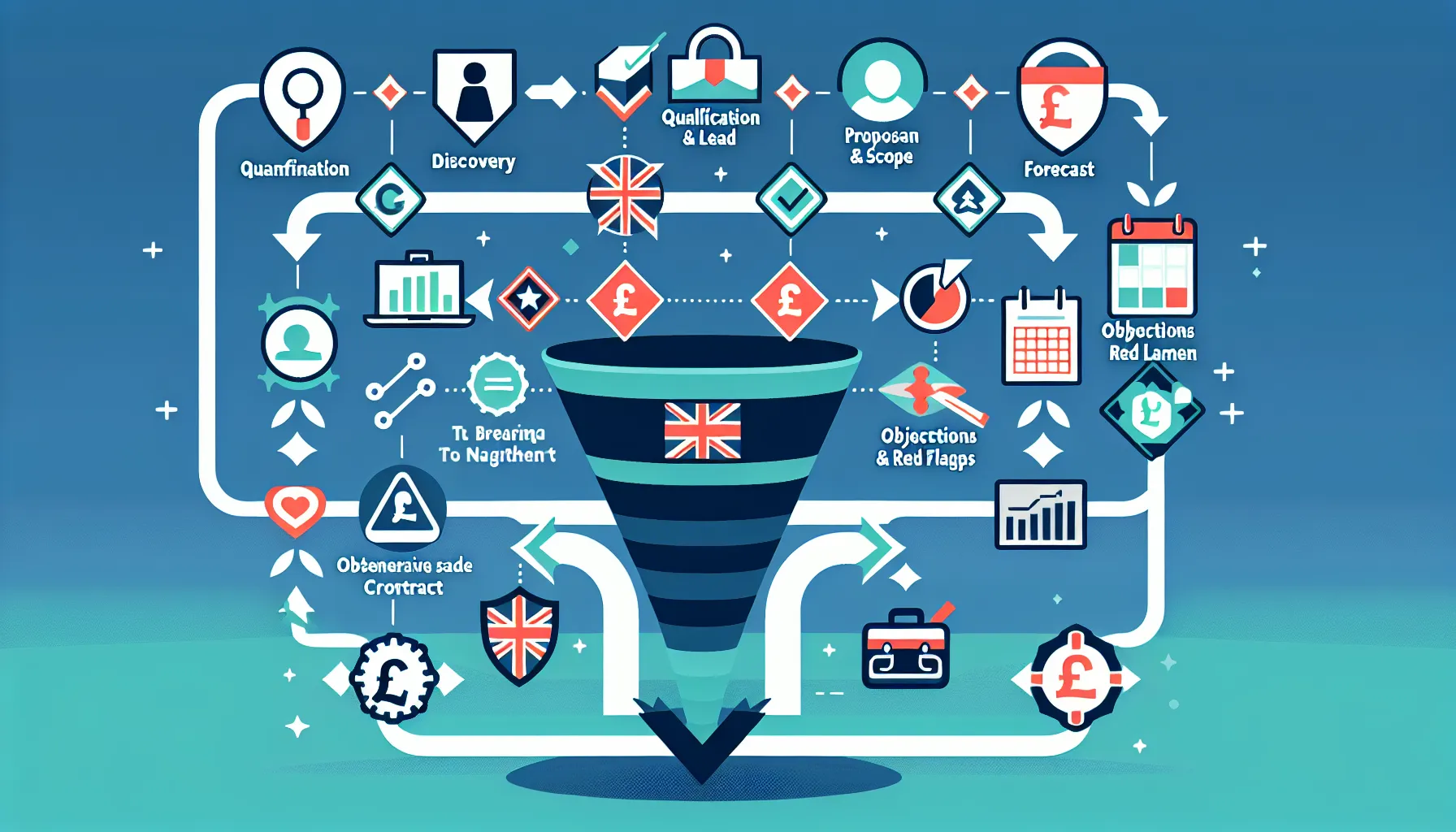
Leads are fragile until there’s clarity. Your job is to diagnose quickly and recommend a sensible path.
Qualification And Discovery
Open with business context, not meta tags. What does success look like? Timeline? Sales process? Average deal size? Which pages actually convert? Confirm analytics and CRM visibility. Disqualify kindly if budget, timeline, or fit is off. Protect your calendar: protect your reputation. A well-placed “not now” saves months of churn.
Proposal Structure And Scope
Proposals should read like a treatment plan, not a brochure:
- Objectives: explicit revenue or lead targets.
- Scope: audits, content, links, CRO, reporting,what’s in and out.
- Plan: 90-day sprint schedule with milestones.
- Measurement: dashboards, baselines, and reporting cadence.
- Price and terms: clear fees, notice period, and who does what.
Add a one-page forecast with ranges, based on current impressions and attainable rankings. Tools help here, but keep it honest and scenario-based.
Handling Objections And Red Flags
Handle concerns with data and proof. If a prospect wants guarantees, explain ranges, levers, and how you’ll reduce risk. If they insist on vanity KPIs, realign to commercial metrics or walk. Watch for red flags: no access to data, chaotic ownership, unrealistic timelines, refusal to carry out basics. Saying no is a growth skill.
If you want a simpler way to keep your research, content plans, and progress tracking in one tidy place, try building your workflow inside tpateam.co.uk/mymarketr.io/. It blends SEO research, guided actions, and content generation so you spend more time on client outcomes than tool juggling.
Frequently Asked Questions
What’s the first step to define an ideal client profile when trying to find SEO clients?
Start with a tight ICP: industry, company size, geography, tech stack, average order value, buying cycle, and decision group. Tie your offer to commercial outcomes—faster qualified leads, lower CPA, revenue growth—not “SEO” as a service. This clarity makes messaging sharper and accelerates how to find SEO clients who truly fit.
How to find SEO clients without a big budget?
Prioritise proof over reach: publish short, numeric case studies, useful teardown content, and skimmable ROI explainers. Build a simple referral pack, join niche communities, list in credible directories, and create personalised mini-audits or Loom videos for prospects. This compounding credibility approach is how to find SEO clients cost‑effectively.
What should I include in SEO packages and pricing to improve conversions?
Offer 2–3 clear tiers with value-first deliverables. Example: Foundation (technical audit, tracking fix, content plan), Growth (topic clusters, link earning, CRO tests), Performance (forecasts, multi‑market). Add ballpark fees, expected ranges, review points, and precise in/out scope. Transparency reduces friction and increases close rates.
Does outbound prospecting for SEO clients still work, and how should I do it?
Yes—when it’s specific and helpful. Build tight lists using buying triggers: new funding, hiring, site launches, heavy ads with weak organic. Send concise emails with a concrete observation, relevant proof, and a small next step. Add a 3–5 minute Loom showing gaps and first actions to boost replies.
How long does it take to land your first SEO client?
Typically 4–12 weeks with a focused cadence: publish 1–2 proof assets, run targeted outreach, and deliver tailored mini‑audits. Timing varies by niche complexity, deal size, and the prospect’s decision group. Shorten cycles with pilot offers, clear outcomes, and scenario‑based forecasts rather than rigid guarantees.
Should I niche down as an SEO consultant, and which niches pay well?
Yes. Niching improves messaging, lets you build repeatable playbooks, and increases referrals. Lucrative options often include legal, healthcare clinics, financial services, home services, specific eCommerce verticals, and B2B SaaS. Choose based on your experience, deal sizes, search intent depth, seasonality, and clear decision triggers.
